
Outreach Talk:
Kirsty Crawford
Marine Conservation Society
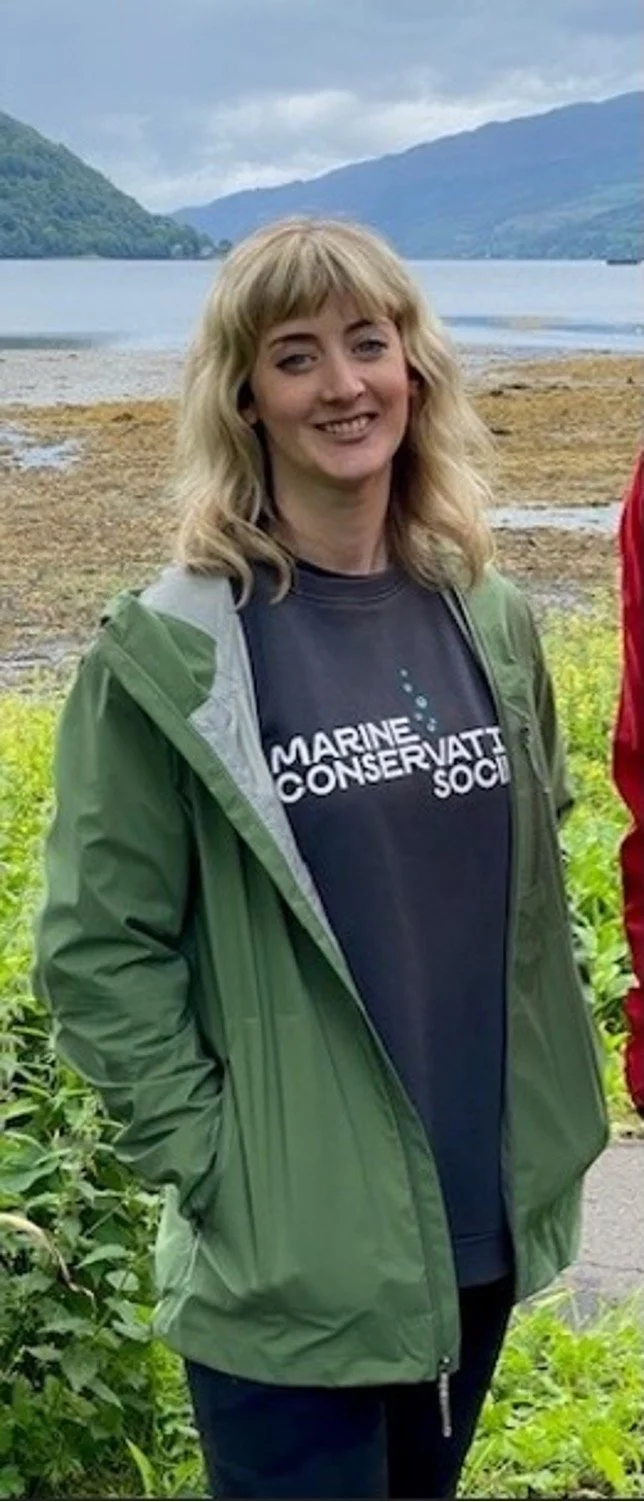
Kirsty Crawford is the Community Engagement Manager at the Marine Conservation Society, a leading UK environmental charity, working for the future of the ocean by driving change through people, science and evidence. She leads a team of engagement and restoration professionals working on a broad range of projects form ocean literacy engagement roadshows, to youth engagement and oyster restoration. With an MSc in Wildlife Biology and Conservation and a BA (Hons) in Journalism, English and Creative Writing, Kirsty has over a decade of experience working at the intersection of community engagement, environmental science and the art of storytelling. From the Zoological Society of London and the BBC to Buglife and The Conservation Volunteers her passion lies in empowering people from diverse backgrounds to make meaningful contributions to conservation through citizen science and education programmes.
Inland Communities to Ocean Citizens: The ‘One Ocean Roadshow’ engagement model to increase ocean literacy
Developing ocean literacy is not simply about increasing knowledge of marine issues; it is about creating opportunities for people to build meaningful relationships with the ocean. For many inland and underserved communities opportunities are limited to experience the benefits of blue spaces and to see themselves as truly part of the marine environment. The Marine Conservation Society's One Ocean Roadshow and Scottish Seas Roadshow programmes are exploring how targeted outreach, coastal visits and community-centred education can help bridge this gap by bringing people closer to the sea and empowering them to engage with its future.
This presentation will share insights from delivering ocean literacy programmes across northern England and Scotland, with a focus on audiences living more than 10 miles from the coast. By combining classroom learning, community workshops, citizen science and facilitated trips to coastal environments, the Roadshow approach seeks to remove barriers to participation and create transformative experiences. The Big Seaweed Search, a partnership projects between The Marine Conservation Society and the Natural History Museum is used as a practical pathway into marine citizen science. Through surveying and recording seaweed species along the shoreline, participants contribute to ongoing environmental monitoring while gaining hands-on experience. By taking part in genuine data collection, participants are able to move beyond observation and become active contributors to understanding environmental change.
The session will reflect on lessons emerging from this work, including the importance of accessibility, shared experiences and place-based learning in supporting long-term engagement with the marine environment. It will consider how combining coastal visits with citizen science can strengthen confidence and support lasting behaviour change through a wider, more diverse network of people who feel connected and motivated to care for our seas